SQL or NoSQL?
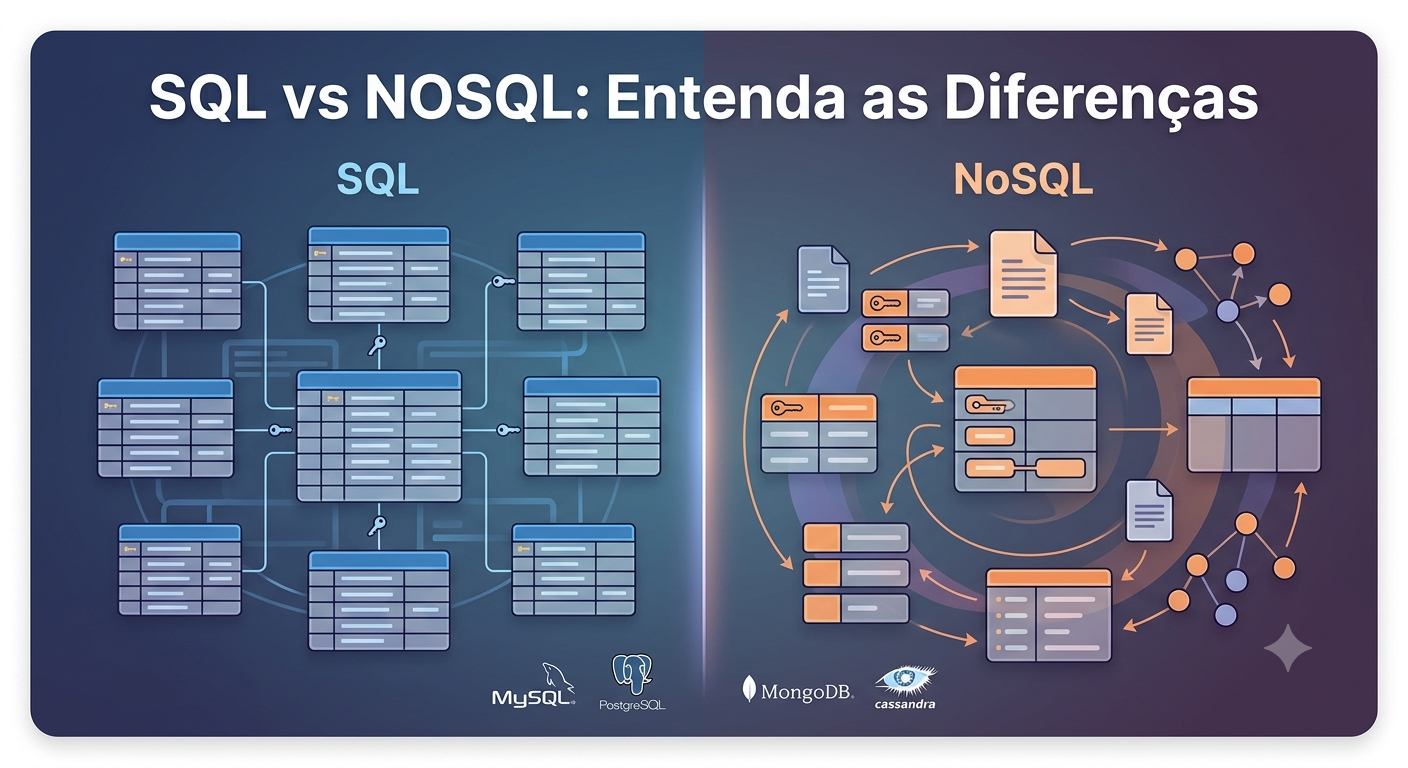
The choice between SQL (relational) and NoSQL (non-relational) databases depends on the nature of your data and application needs. SQL databases are excellent for structured data with complex queries, while NoSQL databases shine with handling large volumes of unstructured data and real-time applications.
SQL Databases
Traditional SQL databases include MySQL, PostgreSQL, and Oracle. They offer strong transactional integrity and support complex relationships, making them ideal for industries requiring robust data consistency and analytics.
NoSQL Databases
NoSQL databases like MongoDB, Cassandra, and Redis provide scalability and flexibility, perfect for modern applications needing to process big data at high speeds. Their schema-less nature allows for more flexible data modeling and faster query execution.
Optimizing Database Performance
Effective database optimization involves several strategies such as indexing, partitioning, caching, and choosing the right hardware. Implementing these techniques can significantly boost performance, ensuring applications run smoothly even with growing datasets.