
Introduction
The world of databases is constantly evolving. Recent updates and innovations have made it possible to store, manage, and query data more efficiently than ever before.
SQL: Evolving Standards
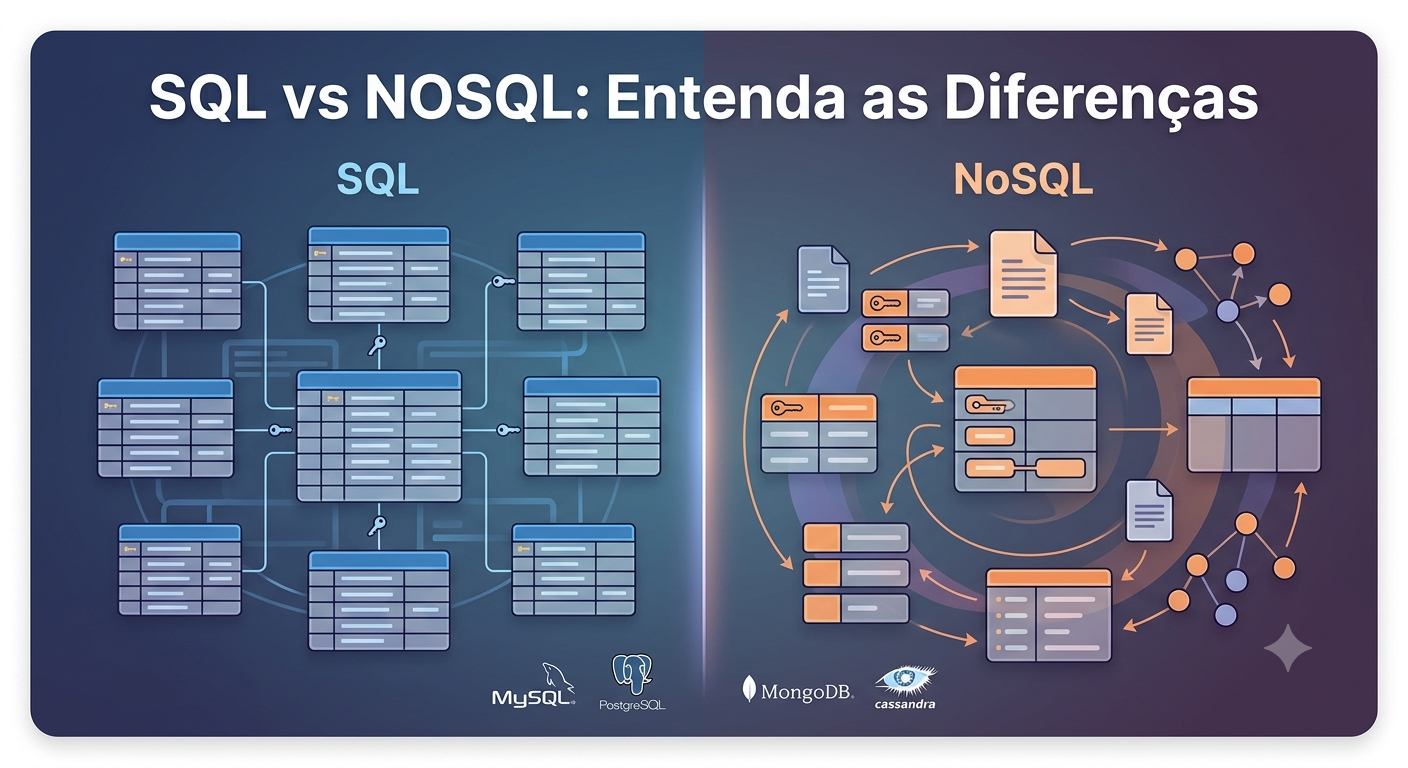
Traditional SQL databases continue to be a cornerstone for many applications due to their robustness and reliability. Recent versions of SQL, such as PostgreSQL 14 and MySQL 8.0, have introduced several new features that enhance performance, security, and manageability.
NoSQL: Breaking Boundaries
For applications requiring high scalability and performance at massive scales, NoSQL databases offer a more flexible solution. MongoDB's latest version has added real-time analytics capabilities and improved indexing mechanisms, making it even better suited for real-time data processing.
Optimizing Performance
Regardless of the type of database used, performance optimization is key to achieving desired results. This includes strategies such as query tuning, proper indexing, and leveraging caching mechanisms. Additionally, partitioning and sharding techniques can help distribute workload more evenly across servers.
Conclusion
The landscape of databases is in a state of flux, with new technologies and improvements constantly emerging. By staying informed about these developments, developers can choose the right tool for their needs and optimize their systems to meet the demands of modern applications.